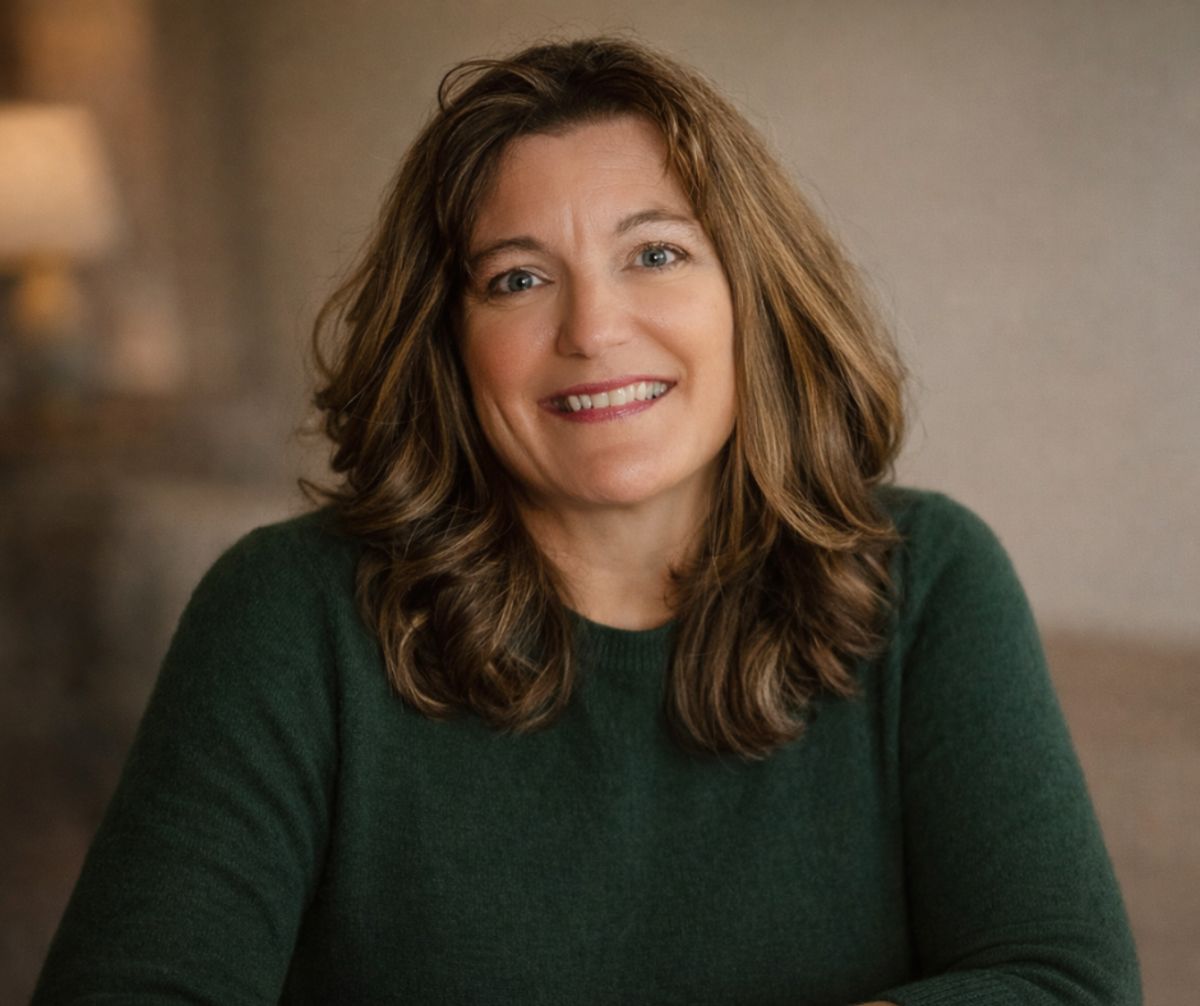

By Suzy Wraines | Army veteran, former healthcare professional, and founder of the Centered Care Directory, a curated national directory connecting patients with cash-based and hybrid practitioners across the United States.
I was exhausted for years.
Not the kind of tired that a good night of sleep fixes. The kind that follows you into the morning, makes a shower feel like a feat, and quietly convinces you that this is just how things are now.
I went to my doctor. I sat in the appointment, explained what I was experiencing, and left with a hypothyroid diagnosis and a prescription I never filled.
Something felt unfinished. And I was right.
What the Traditional System Can and Can't Do
I want to be clear about something before I go further: my doctor was not bad at her job. She was doing exactly what the system she works in allows her to do.
That is the part most of us don't know.
Traditional medicine runs on coding, billing codes, diagnosis codes, and prescription codes. Every test ordered, every lab run, every follow-up scheduled has to fit within a structure that insurance will reimburse.
When I asked my doctor about running additional thyroid markers, antibodies, and panels that would give a fuller picture of what was actually happening, she looked at me and said, "I can't order those tests. My system won't let me."
Not won't. Can't.
Because I had a diagnosis, the only path available inside that system was a prescription.
The labs she was permitted to run were the ones that pointed directly toward that outcome. Anything outside the reimbursable window, anything that might answer the question of why, wasn't an option.
This is not a conspiracy. It is a reimbursement structure. And it is why so many Americans are walking around with diagnoses, prescriptions, and no real answers.
In Reality
The average primary care appointment in the United States runs 15 to 18 minutes, according to data from the Annals of Internal Medicine. Physicians in insurance-based practices are required to see a set number of patients each day to meet the financial demands of their overhead.
The math leaves almost no room for the question most patients actually need answered:
why is this happening in my body?
That question is not billable. So it often doesn't get asked.
What I Did Instead
I started working with a functional nutritionist. The first thing that changed was the questions.
Not just what is out of range, but what is your body actually doing, and what is driving it?
What came up surprised me.
I wasn't just dealing with a thyroid issue. I had insulin resistance I didn't know about, blood sugar patterns responding to specific foods, and a history of PCOS that was directly connected to both. I'm also perimenopausal.
In a traditional 15-minute appointment, none of those pieces get examined together. In functional medicine, that's exactly where the work begins, because everything in the body is connected, and one thing skewing another is often the whole story.
Here is what I actually did, because I know the practical question is always, "How do I do this, too?"
I didn't abandon my insurance doctor. I used her for everything the system allowed: the standard thyroid panel, CBC, and all the labs covered under a regular physical.
Then I took those results to my functional nutritionist and asked one question:
Based on what's here, what do you need to fill in the blanks?
She filled them in. We got a complete picture. We built a plan.
If you're wondering whether you have to choose between your insurance-based doctor and a cash-based functional medicine practitioner, you don't. Using both together is one of the most practical and underutilized strategies available to patients right now.
I logged my food. I got a glucose monitor and tested my blood sugar in response to what I was eating, not a single fasting draw, but real patterns across real meals.
I monitored. I checked in. I tracked not just numbers but how I felt:
Is the fatigue getting better? Am I sleeping? What can I do today that I couldn't last week?
Nine months later, I am not taking the thyroid prescription. My thyroid is functioning better. I am not exhausted.
I'm getting up at 5:30 am. I'm cooking, walking my dogs, doing yoga, and doing things around the house that I genuinely could not do before. Taking a shower used to wipe me out.
Now it's just a shower.
I told my husband recently:
I can't even believe how far I've come.
If you've been tired for years, told your labs are normal, handed a prescription, and still not feeling better, that experience is more common than the system will ever acknowledge. And there is another path.
How to Find a Functional Medicine Practitioner
If any part of this resonates. If you've been handed a diagnosis and a prescription and something still feels unfinished, there are practitioners who have the time and the structure to look at the full picture.
Practitioners working outside the insurance model, functional medicine doctors, functional nutritionists, and nurse practitioners exist across the country and have the time and structure to look at everything the traditional system can't.
They are just hard to find.
The Centered Care Directory is a curated, searchable listing of cash-based and hybrid practitioners nationwide. Search by specialty, by location, or by keyword. Type "fatigue," and practitioners who work with it will surface. Type "functional medicine" or "hormonal health," and you'll find them there too.
Every practitioner listed has been reviewed and approved. These are not random listings.
Search for a functional medicine or functional nutrition practitioner near you at how.healthcare
One Thing to Do This Month
Watch the full video. I walk through exactly what my doctor said when I asked for more testing, what the functional nutritionist found that changed everything, and what nine months of working outside the traditional system actually looked like — including the specific steps I took so you can decide if any of them make sense for your situation.
If you've been tired and told everything is normal, this video is for you.
Watch: Why Are Americans So Tired? What Functional Medicine Finds That Your Regular Doctor Misses in 2026
Then search for a cash-based primary care provider in your area at how.healthcare.
Suzy Wraines is the founder of the Centered Care Directory and host of the Health Over Wealth in the US newsletter. A U.S. Army veteran with decades of combined experience in human and veterinary healthcare, she writes from lived experience navigating the traditional healthcare system, and from personal experience building a healthcare approach centered on outcomes, not insurance requirements.
For educational purposes only. Not medical or financial advice. Always consult a qualified healthcare professional for your specific situation.
