
I'm not sharing this as a guarantee of what cannabis will do for you. Everyone's body and situation are different, and this isn't a substitute for care from your own medical team. I'm sharing it because I hear a version of my own story from patients almost every week, and I think more people deserve to know this option exists.

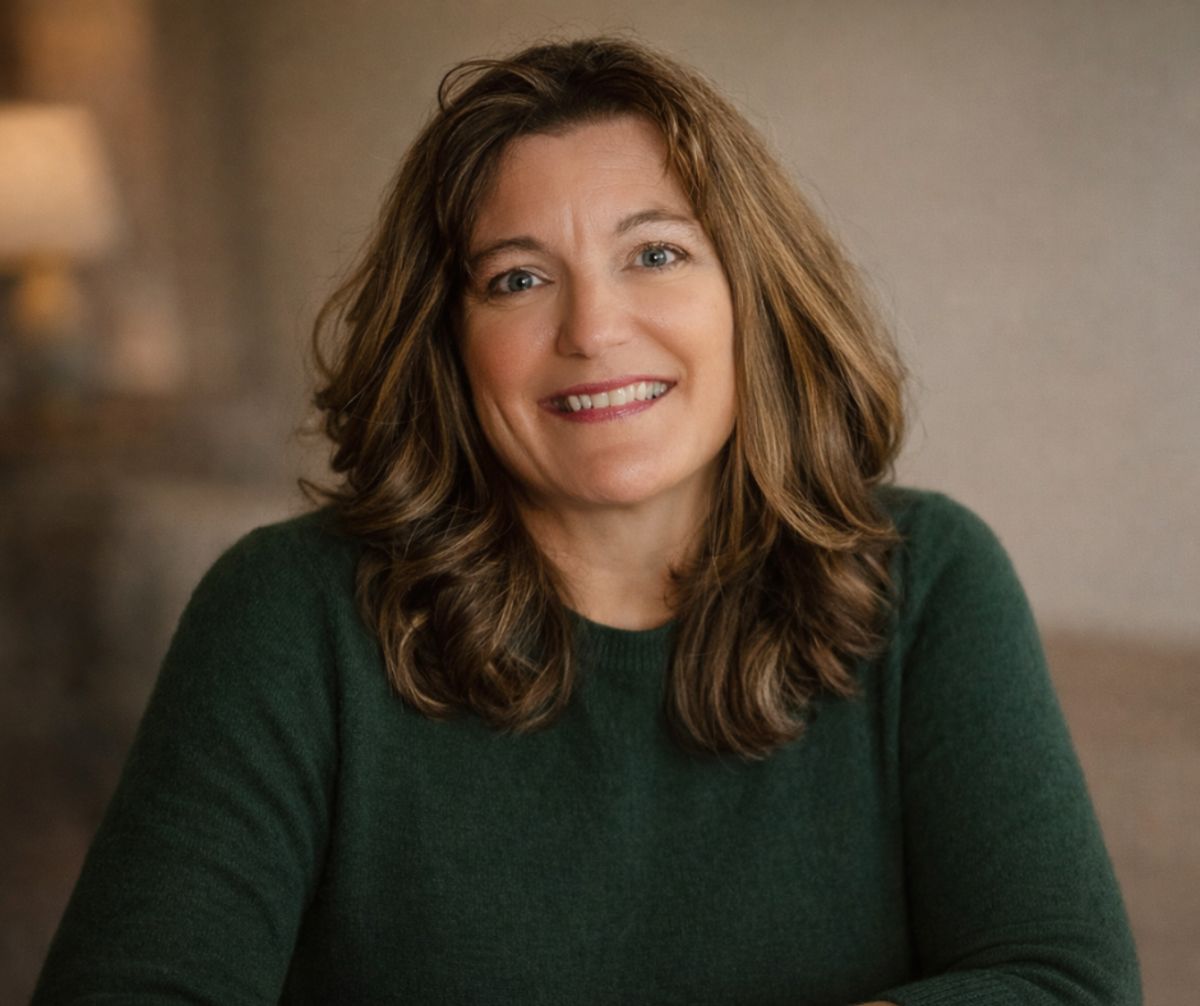
Kimberlee Williams Park, D.O. | MediCalm-PA & NJ
Why did I stop treating my chronic pain with narcotics after ten years?
I spent more than a decade managing chronic pain with prescription narcotics. In 2019, I became a patient in Pennsylvania's medical marijuana program myself, and within two weeks, I was off that pain medication, with better pain relief than I'd had in years.
I was preparing for a knee replacement at the time. Instead, I was able to shift my energy toward strength training, and I no longer feel that surgery was necessary.
That experience is why I started certifying and educating patients on medical cannabis for chronic pain, alongside a holistic approach to overall health. I incorporated MediCalm in New Jersey in 2024 to continue that work for patients in both states.
Does medical cannabis actually work for chronic pain?
This is usually the first question people ask me, and it's worth answering directly, separate from anything about medications you may already be on.
Chronic pain is the most common reason patients come to me in both Pennsylvania and New Jersey, and it's also the broadest of the qualifying conditions in both states. It covers pain from a wide range of causes, not just one specific diagnosis.
In my experience, patients who haven't found relief through conventional treatment often see meaningful improvement once cannabis is dosed and paired correctly with the rest of their care.
I want to be honest about the shape of the evidence here too:
Individual response varies, and cannabis isn't guaranteed to work the same way for everyone.
What I can say is that it's a legitimate option worth exploring with a qualified provider, not a last resort, and not something to try on your own without guidance.
Can medical cannabis help with ADHD or focus issues?
I want to answer this one honestly, because it's a question I hear often and because the honest answer isn't a simple yes.
ADHD is not an approved qualifying condition for medical cannabis in Pennsylvania or New Jersey, and I don't certify patients for ADHD alone.
And it’s part of my own story.
I was being treated with Adderall for ADHD during the same decade I was managing chronic pain with narcotics. When I began medical cannabis treatment for my pain in 2019, I came off Adderall in that same two-week window, with better focus than I'd had in years.
That wasn't cannabis treating ADHD directly. It was a downstream effect of my pain finally easing and my sleep improving, and better sleep and less pain tend to improve focus for most people, ADHD diagnosis or not.
If attention or focus is a concern for you, the more useful conversation with a qualified provider usually starts with what's actually driving it:
Pain
Sleep
Anxiety
Or something else. Rather than assuming cannabis is a stand-alone ADHD treatment.
Is medical cannabis a legitimate form of treatment, or is it still just a stigma?
In thirty years as a physician, I have not seen a more versatile and safe medication when used appropriately, for as many conditions as medical cannabis. The biggest misconception I run into is that it isn't "real medicine," and that stigma is still one of the biggest barriers keeping patients from asking their doctor about it.

More physicians are recommending it to their patients than a few years ago, but there's still a long way to go in educating both current and future doctors on the legitimacy of cannabis as medicine.
That's starting to shift at the federal level, too:
In April 2026, the Department of Justice and the DEA moved FDA-approved cannabis products and any cannabis regulated under a state medical marijuana license from Schedule I to Schedule III of the Controlled Substances Act¹ ²
That reclassification puts state-licensed medical cannabis in the same broad regulatory category as substances recognized to have an accepted medical use, a meaningful shift from Schedule I, which by definition means "no accepted medical use"
A separate DEA hearing running through mid-July 2026 is now considering whether to extend that reclassification more broadly³
Recreational cannabis and unlicensed cannabis remain Schedule I for now, so it's a good sign for research and legitimacy, but it's also still moving. It’s worth checking for updates rather than assuming the picture is final
Does medical cannabis actually help people reduce opioid use for chronic pain?
This is close to my own story, and it's also an area where a growing body of research backs up what patients report. A few examples:
A 2022 study out of the Rothman Orthopaedic Institute in Philadelphia found that patients certified for medical cannabis for chronic low back pain saw a measurable decrease in filled opioid prescriptions compared to before certification. In a related Rothman Orthopaedic study on osteoarthritis, a similar association was found.⁴ ⁵
A 2023 New York State Department of Health study, published in JAMA Network Open, found that patients using medical cannabis for chronic pain for 30 days or longer showed a statistically significant reduction in prescribed opioid dosage.⁶
A broader systematic review of nine studies covering more than 7,000 patients found opioid dosage reductions in the 64–75% range among patients using medical cannabis alongside opioids for non-cancer chronic pain — though the review's authors were careful to note the existing studies have real limitations and can't prove cause and effect on their own.⁷

None of this means cannabis is guaranteed to work the same way for every patient, or that anyone should change a medication regimen without talking to their prescribing doctor first.
It does mean this isn't just an anecdote anymore. It's an active area of published research, and it's worth a conversation with a qualified provider if opioid dependence is something you're navigating.
Do I qualify for a medical cannabis card in Pennsylvania or New Jersey?
Both states recognize chronic pain and opioid use disorder as qualifying conditions, which covers a lot of the patients I see:
Pennsylvania currently recognizes 24 qualifying serious medical conditions under Act 16, including severe chronic or intractable pain and opioid use disorder where conventional treatment has been ineffective.⁸
To apply, you'll need:
PA residency
A valid PA ID
Certification from a physician registered with the state's Medical Marijuana Program
New Jersey currently recognizes 18 qualifying conditions under the Jake Honig Compassionate Use Medical Cannabis Act, including chronic pain and opioid use disorder.⁹
New Jersey allows telehealth for both first-time certification and renewals under state law and now offers a free digital patient card.¹⁰
One quick note here too: ADHD is not an approved qualifying condition in either Pennsylvania or New Jersey. Read more on that above.
What does the medical cannabis process actually look like if I want to try this for pain?
At a high level, in both states, the steps are similar:
Confirm you have a qualifying condition. Chronic pain covers a wide range of diagnoses in both PA and NJ, so it's worth a conversation even if your specific diagnosis isn't named on the state list.
Get certified by a physician registered with your state's medical cannabis program.
Register with the state (Pennsylvania's registry fee is $50).
Purchase from a licensed dispensary in your state.
Physician visits for certification are typically paid out of pocket rather than billed to insurance, which is part of why cash-based, client-centered care fits. The visit is built around your time and your condition, not an insurance timeline.
What happens at a medical cannabis certification appointment?
I want to help the patient who hasn't found relief with conventional medicine, who would like to reduce the medications they're prescribed if possible, or who would prefer a natural approach they can control and tailor to their needs.
Most importantly, I want you to feel better and be able to do what matters to you more effectively. Most certifying physicians spend about five minutes with a patient.

Here's what a visit with me looks like instead:
Twenty minutes, all by phone, and fairly comprehensive, not a five-minute rubber stamp.
A walkthrough of your history and qualifying condition.
A full set of educational resources sent afterward, including how cannabis works in the body, how to get started, and how to think about it as part of an overall approach to your health rather than a stand-alone fix.
Ongoing coordination with dispensary pharmacists in Pennsylvania.
Year-round availability for questions.
Non-certification visits available for patients who just want education, including patients outside PA and NJ.
How can I work with Dr. Kimberlee Williams Park in PA or NJ?
If medical cannabis is available in your state and your symptoms haven't been manageable with what you're currently using, it's worth trying, with a qualified provider guiding you. Knowledge is the biggest piece of this, and that's what my practice is built around.
I do phone consultations through MediCalm-PA, LLC in Media, Pennsylvania, and MediCalm-NJ, LLC in Mount Laurel, New Jersey. Every visit is by phone, so you don't need to be near either office; you just need to be a resident of the state you're applying in.
Here's how to get started:
If you're a PA or NJ resident with chronic pain, opioid use disorder, or another qualifying condition, reach out to schedule a certification visit.
If you're not sure whether you qualify, or you just want education before deciding, I offer non-certification visits open to patients in any state.
After certification, I remain available year-round for questions and can coordinate directly with dispensary pharmacists in Pennsylvania on your behalf if necessary.

You can find my full listing, including how to reach me, through the Centered Care Directory, search "medical cannabis" under Pennsylvania or New Jersey at how.healthcare. You can also visit my website directly at medicalmpa.com.
Frequently Asked Questions
Does medical cannabis work for chronic pain?
Many patients see meaningful relief, especially when it's dosed correctly, paired with the rest of their care, and guided by a qualified provider. Response varies by individual, and it's not guaranteed to work the same way for everyone, but it's a legitimate option worth exploring rather than a last resort.
Can medical cannabis help with ADHD or focus issues?
ADHD is not an approved qualifying condition for medical cannabis in Pennsylvania or New Jersey, and it isn't a stand-alone ADHD treatment. Some patients notice better focus as a downstream effect of improved sleep and reduced pain, but the conversation with a provider should start with what's actually driving the focus issue.
Is medical cannabis legal at the federal level now?
Not fully. As of mid-2026, cannabis regulated under a state medical marijuana license (and FDA-approved cannabis products) has been moved to Schedule III federally.
Recreational and unlicensed cannabis remain Schedule I while a broader DEA hearing plays out. Check the current federal and state status before making decisions, as this is an active, evolving area of law.
Can medical cannabis help me use fewer opioids for chronic pain?
Several published studies, including research from Philadelphia-based Rothman Orthopaedic Institute and a 2023 New York State Department of Health study in JAMA Network Open, have found associations between medical cannabis use and reduced opioid prescriptions in chronic pain patients. This is a decision to make with your provider, not on your own.
What conditions qualify for medical cannabis in Pennsylvania and New Jersey?
Both states recognize chronic pain and opioid use disorder among their qualifying conditions. Pennsylvania has 24 total qualifying conditions under Act 16, and New Jersey has 18 under the Jake Honig Compassionate Use Medical Cannabis Act.
How much does it cost to get a medical cannabis card in PA or NJ?
Costs vary by provider and visit type, and certification visits are usually paid out of pocket rather than billed through insurance. Pennsylvania's state registry fee is $50; New Jersey's digital patient card is free.
What if I don't live in Pennsylvania or New Jersey?
Qualifying conditions, telehealth rules, and application steps vary by state and change over time. Check your own state's medical cannabis program directly before assuming your situation matches what's described here.
Sources
U.S. Department of Justice, Office of Public Affairs — "Justice Department Places FDA-Approved Marijuana Products and Products Containing Marijuana Subject to a Qualifying State-Issued License in Schedule III" (April 2026)
Federal Register — Schedules of Controlled Substances: Rescheduling of Marijuana, Notice of Hearing (April 28, 2026); hearing running June 29–July 15, 2026
Greis A, et al. "Medical Cannabis Use Reduces Opioid Prescriptions in Patients With Chronic Back Pain." Cureus, 2022.
Renslo B, et al. "Medical Cannabis Use Reduces Opioid Prescriptions in Patients With Osteoarthritis." Cureus, 2022. Rothman Orthopaedic Cannabis Data Repository study.
New York State Department of Health — "Changes in Prescribed Opioid Dosages Among Patients Receiving Medical Cannabis for Chronic Pain, New York State, 2017–2019," published in JAMA Network Open (2023)
Okusanya BO, et al. "Medical cannabis for the reduction of opioid dosage in the treatment of non-cancer chronic pain: a systematic review." Systematic Reviews, 2020 (9 studies, 7,222 participants)
Pennsylvania Department of Health — Medical Marijuana Program, 24 qualifying serious medical conditions (Act 16 of 2016)
New Jersey Cannabis Regulatory Commission — Medicinal Cannabis Program, 18 qualifying conditions (Jake Honig Compassionate Use Medical Cannabis Act)
N.J.S.A. 24:6I-5.1 — New Jersey medical cannabis telehealth authorization provision

Suzy Wraines is the founder of the Centered Care Directory and host of the Health Over Wealth in the US newsletter. A U.S. Army veteran with decades of combined experience in human and veterinary healthcare, she writes from lived experience navigating the traditional healthcare system and from personal experience building a healthcare approach centered on outcomes rather than insurance requirements.
For educational purposes only. Not medical or financial advice. Always consult a qualified healthcare professional for your specific situation.
Want more articles like this one: practical, patient-first guidance on cash-based care, written by the practitioners actually providing it? Subscribe to get them as they're published.
