
Maybe it happened at a routine checkup. Maybe it crept in during a hard week when your body didn't bounce back the way it used to. Maybe it was just a quiet morning when you caught yourself thinking:
Is this just what getting older feels like?
If you're a woman over 50 and you've started to wonder whether you should just accept a slower, smaller version of life, you're not alone. Most of the healthcare system has been quietly confirming that belief for years. Prescriptions for symptoms. Age-adjusted expectations. The gentle implication that this is simply what happens.
It doesn't have to be.

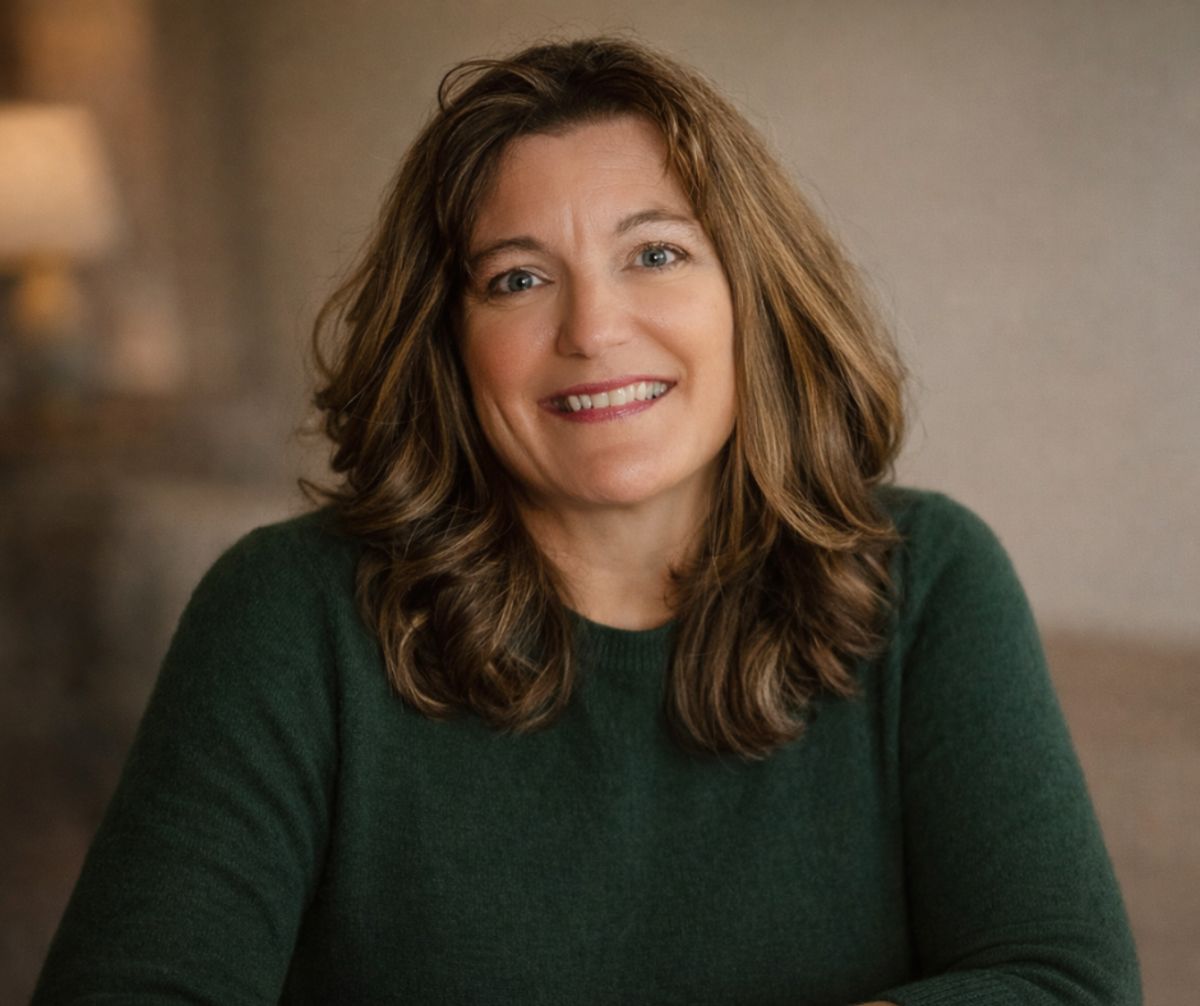
Dr. Adrienne Towsen, MD | Towsen Clinic
Why Am I Not Ready to Celebrate 50?
When I turned 50 in May of 2021, I didn't want a party.
I'd celebrated 30 and 40 without hesitation. But 50 felt different. Like a threshold I didn't want to cross. The start of something narrowing rather than expanding. My daughters convinced me to do it anyway. We were just emerging from the depths of the pandemic, and we invited 50 people to celebrate 50 years. Every single one showed up. It was the first gathering most of us had been to in over a year.
The party was wonderful. But my mindset going in? I viewed 50 as the beginning of getting older, slowing down, and watching the best years move further into the rearview mirror.
I couldn't have been more wrong.
At 55, I feel stronger, healthier, and more optimistic than I did five years ago. Not because aging stopped, but because I stopped waiting for it to happen to me and started making deliberate choices about how I was going to live inside it.
Can I Get Healthier in My 50s?
I spent 21 years as an orthopedic surgeon. My entire training was built around fixing what was already broken. I was good at it. But what I've come to understand, both personally and through the work I now do at Towsen Clinic, is that the most powerful intervention isn't repair. It's prevention.
After giving in for a while to the narrative that menopause and decline were just my new reality, I did a major reset:
I prioritized strength training.
I improved my nutrition.
I optimized my sleep.
I paid attention to my hormones.
I challenged myself physically.
I reset professionally as well.
None of it happened overnight, and none of it required a dramatic overhaul. What it required was a shift in belief:
My body was still capable, and it was worth investing in.
What I've learned, both from my own experience and from working with patients at Towsen Clinic, is that your 50s are often the most important decade for your long-term health. Not because everything falls apart, but because the choices made in this decade can dramatically shape the next 20 to 30 years.

Life isn’t ending as you age. It’s just getting started.
What Does Healthy Aging After 50 Actually Look Like?
The biggest misconception I see, both in my practice and in the broader healthcare conversation, is that aging after 50 is primarily a medication management problem.
It isn't.
Medication has a role. But the most powerful levers available to women in their 50s aren't pharmaceutical; they're lifestyle-based.
Strength training
This may be the single most underutilized tool for women over 50. Building and maintaining muscle mass directly influences
Metabolism
Bone Density
Balance

And the quality of life well into your 70s and 80s. A systematic review published in PMC found that resistance training performed two to three times weekly significantly improves bone mineral density in postmenopausal women. Including those already diagnosed with osteoporosis. As someone who spent two decades treating musculoskeletal breakdown, I cannot overstate how much of that breakdown is preventable.
Nutrition
This changes as we age, not in a way that means eating less and enjoying food less, but in a way that requires more intentionality about:
Protein
Blood Sugar Stability
Inflammation

Making small, consistent adjustments compound over time in ways that medication rarely replicates.
Sleep
This is not a luxury. For women navigating perimenopause or postmenopause, disrupted sleep has downstream effects on:
Hormones
Cognition
Mood
Metabolic Health

Addressing it directly, rather than accepting it as inevitable, changes the picture entirely.
Hormones
They deserve attention and honest conversation, not dismissal. Many women are told their symptoms are "just part of aging" when there are evidence-based options worth exploring.
At Towsen Clinic, hormone optimization is a core part of how we work, and for many patients, it's the piece that unlocks everything else. If you want to understand what cash-based hormone optimization actually looks like in practice, this article on Health Over Wealth walks through the approach at Towsen Clinic in detail.
Mindset
Is not soft. It is clinical. The belief that your body is capable, or the belief that it isn't, has measurable effects on health outcomes. Women who expect decline often experience it.
Women who invest in their health at 50 often find that the next decade surprises them.
Why Don't Doctors Have Time to Talk About Lifestyle Changes?
The traditional healthcare model gives the average patient 15 minutes per visit. Research published in the Journal of General Internal Medicine found that clinicians consistently report needing significantly more time than they are allotted, particularly for patients with complex or overlapping health concerns. For a woman in her 50s navigating:
Hormonal shifts
Fatigue
Changing Body Composition
Sleep Disruption
15 minutes is not enough time to be heard, let alone treated.
The insurance system is the structural cause. Reimbursement models reward volume over depth. Practitioners who stay in-network are incentivized to see more patients in less time, which means the conversation about strength training, sleep, hormones, and nutrition simply doesn't fit, not because your doctor doesn't care, but because the system doesn't pay for it.
Lifestyle medicine, the kind that actually changes outcomes, requires conversation, context, and follow-through over time. That cannot happen inside a billing-code-driven appointment.
At Towsen Clinic, I work outside that structure. Without insurance billing constraints dictating appointment length and treatment protocols, I have the time and flexibility to address what's actually happening and to build the kind of relationship where lifestyle changes can be discussed, tracked, and adjusted over time. That is the difference between managing a condition and actually changing its trajectory.
What Should I Actually Expect from My Health in My 50s and Beyond?
I want to be clear about something, because I think this matters.
The goal of all of this, the strength training, the nutrition, the hormone optimization, the sleep work, is not to reverse aging. It's not about looking or feeling the way you did in your 30s.
The goal is to be strong enough, healthy enough, and capable enough to fully enjoy what's ahead.
For me, that looks like continuing to travel. Competing in ballroom dance. Growing my clinic. Celebrating my daughter's wedding next year. And, one day, playing with grandchildren.

Your list will look different. But you get to have one.
Your 50s are not the beginning of the end. They are an opportunity to decide what the next chapter looks like, and to make the choices now that will determine what you're capable of in the decades that follow.
What to Expect at Towsen Clinic
I practice what I call Midlife Reset Medicine at Towsen Clinic in West Chester, Pennsylvania.
This is performance and lifestyle medicine for active adults in their 40s, 50s, and 60s who want to feel like themselves again — or better. After 21 years of fixing breakdowns as an orthopedic surgeon, I now focus on preventing them.
At Towsen Clinic, we build personalized protocols that address the full picture:
Hormone optimization
Peptide therapies — targeted protein-based treatments that support recovery, metabolism, and cellular repair
Weight management
Lifestyle and nutrition counseling
Performance medicine

If you feel like you've lost your edge, and you're ready to get it back. This is where we start.
I see patients in person in West Chester, PA, and also offer virtual appointments.
To book a consultation, visit towsenclinic.com/booking-form or find my full listing in the Centered Care Directory at how.healthcare.
Frequently Asked Questions
Can I build muscle after 50 as a woman? Yes.
And the research is detailed on this. Resistance training two to three times weekly has been shown to increase muscle strength and preserve muscle mass in women over 50, even those who have never trained before. The window to start is not behind you. It is right now.
Is hormone therapy safe for women over 50? For many women, yes.
But the answer depends on your individual health history, timing, and the type of therapy being considered. The conversation deserves more than a few minutes. At Towsen Clinic, hormone optimization is approached with full context: labs, symptoms, lifestyle, and goals. If you have been told hormones aren't an option without a thorough evaluation, it may be worth getting a second opinion from a practitioner who specializes in this area.
What is the most important thing I can do for my health in my 50s?
Start strength training if you haven't already, and get your hormones evaluated. These two things, more than any supplement, diet trend, or wellness protocol, have the most documented impact on how women feel and function in the decades that follow their 50s.
Why am I so tired after 50, and what can I do about it?
Fatigue in women over 50 is rarely just one thing. It is often a combination of:
Disrupted sleep
Hormonal Shifts
Nutritional Gaps
And a body that has been running on depletion for years. The answer is not simply more rest. It is identifying what is actually driving the depletion and addressing it systematically. Which requires more than a 15-minute appointment.
What is Midlife Reset Medicine?
Midlife Reset Medicine is the term I use at Towsen Clinic to describe performance and lifestyle medicine specifically designed for adults in their 40s, 50s, and 60s. It is not anti-aging medicine. It is pro-capability medicine. The goal is not to look younger. It is to be strong, functional, and fully present for the life you actually want to live.
What is One Thing I Can Do This Month?
Pick one area:
Sleep
Strength Training
Nutrition
Hormones
Make one concrete change this month. Not a resolution. Not an overhaul. One change. Track how you feel at the end of 30 days. The evidence of what's possible is often closer than it seems.
Dr. Adrienne Towsen, MD, is an orthopedic surgeon-trained physician practicing Midlife Reset Medicine at Towsen Clinic in West Chester, Pennsylvania. She serves adults in their 40s, 50s, and 60s who are ready to stop accepting less.
This article is for educational purposes only and does not constitute medical advice. Always consult a qualified healthcare professional for your individual health needs.
Sources
Bae S, et al. "Optimal resistance training parameters for improving bone mineral density in postmenopausal women: a systematic review and meta-analysis." PMC / National Institutes of Health, 2025. https://pmc.ncbi.nlm.nih.gov/articles/PMC12107943
Linzer M, et al. "Time Pressure During Primary Care Office Visits: a Prospective Evaluation of Data from the Healthy Work Place Study." Journal of General Internal Medicine, 2020. https://pmc.ncbi.nlm.nih.gov/articles/PMC7018911

Suzy Wraines is the founder of the Centered Care Directory and host of the Health Over Wealth in the US newsletter. A U.S. Army veteran with decades of combined experience in human and veterinary healthcare, she writes from lived experience navigating the traditional healthcare system and from personal experience building a healthcare approach centered on outcomes rather than insurance requirements.
Want more articles like this one: practical, patient-first guidance on cash-based care, written by the practitioners actually providing it? Subscribe to get them as they're published.
